


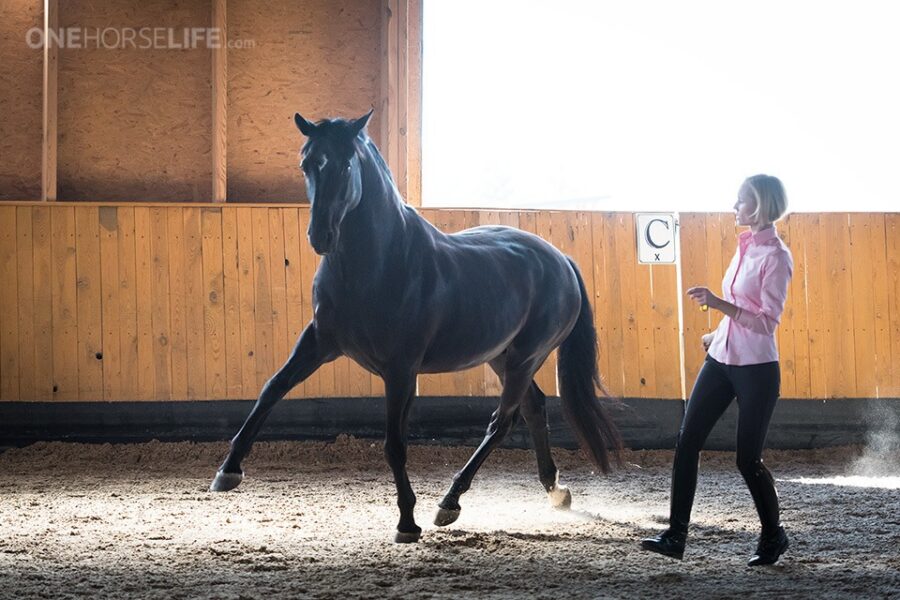
Today, I was answering the questions sent to me by Pauline Barbier who is OneHorseLife follower from France. Pauline is writing an article about OneHorseLife for her French blog: https://unjournalequestre.wordpress.com/ and

I believe that one of the very first things we have to establish when starting the young horse under the saddle, except of Calmness that is always the base of all our actions, are the directions: left right and straight forward. The first lessons the horse will learn under the saddle are the ones that

In the previous JoinAnna Material we spoke about Movement as an Expression of Awareness. You could learn from this Material that seeing movement as the expression of Awareness can be a very practical approach that answers very important questions. One of the questions that we have asked and answered there, was the question about moving together in
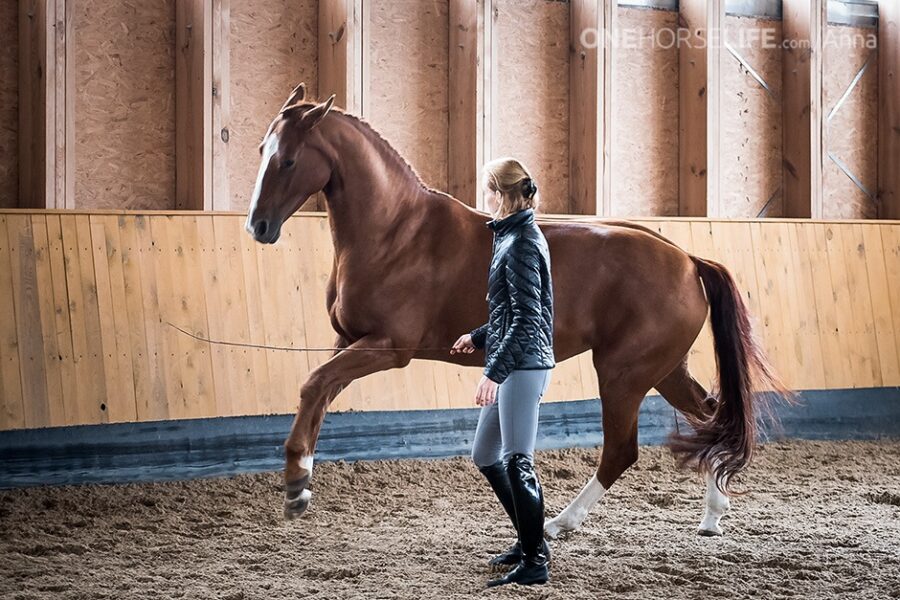
Your horse can move in many different ways. Many people think that the movement is an effect of mechanical processes happening in the body. So they try to address the movement (to change it, influence it or simply understand it) using the laws of mechanics. It can look very scientific, and because of looking so
There are many training methods available and it is a great fun to try different approaches without fear and without judgements and prejudices. Model/Rival System was developed by Dr Dietmar Todt, and later modified by Dr Irene Pepperberg into her label-training procedure aimed to explore and show to the world the intelligence and cognitive potential
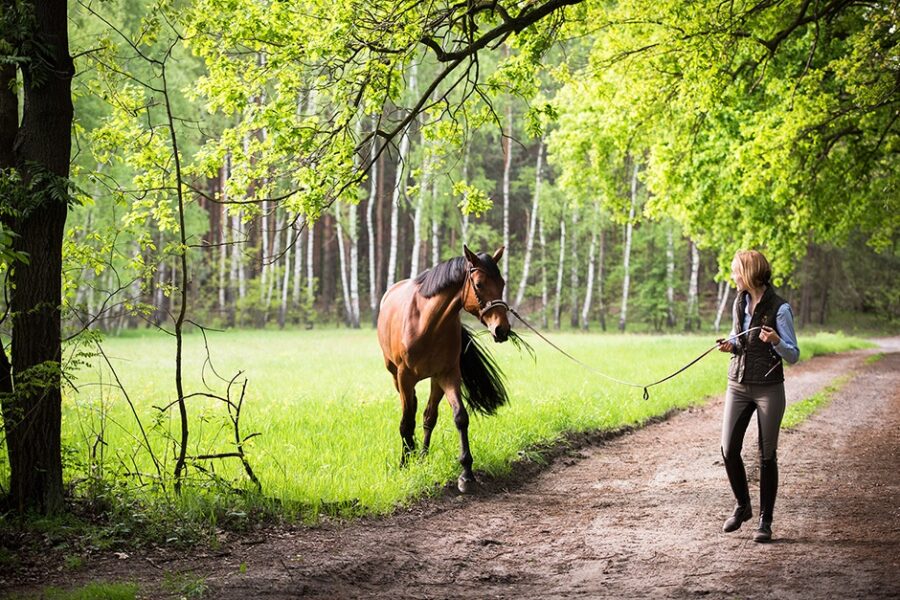
Subversively today’s article about Liberation and finding out one’s Natural Path I will start from speaking a little bit about the boundaries. Liberty without boundaries is not liberty, it is
It is very well known fact for many, many years that when a horse has tensed neck or jaw, or any other muscle in the head he becomes stiff in the body. The stiffness of one muscle has to be compensated by the stiffness of other muscles, and in effect, the whole body of the
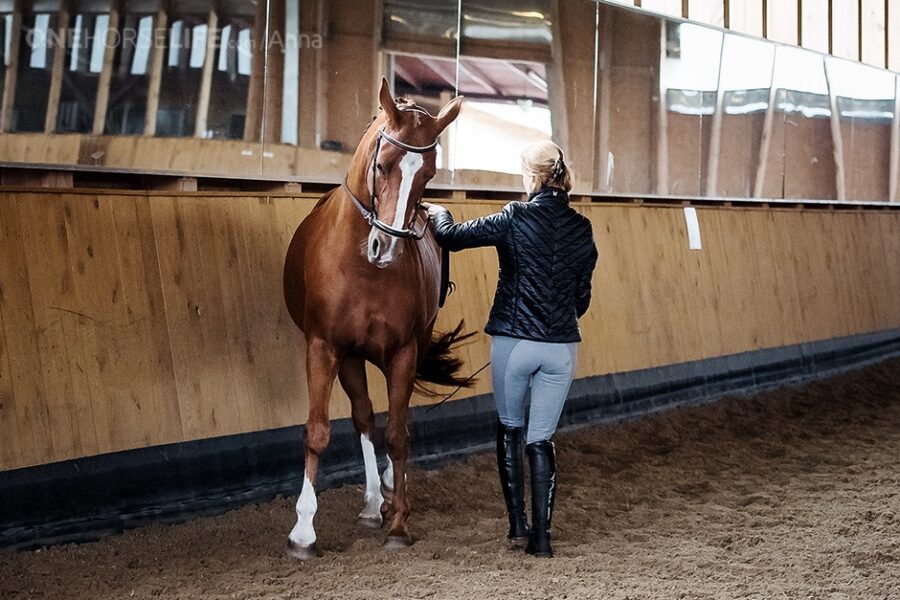
Many times I meet riders with horses, or am approached by riders who have very serious problems with their horses pacing, moving around with the giraffe head or with advanced horses coming out of vertical during transitions to canter work from walk. I hear from these riders, who often feel totally helpless in correcting these
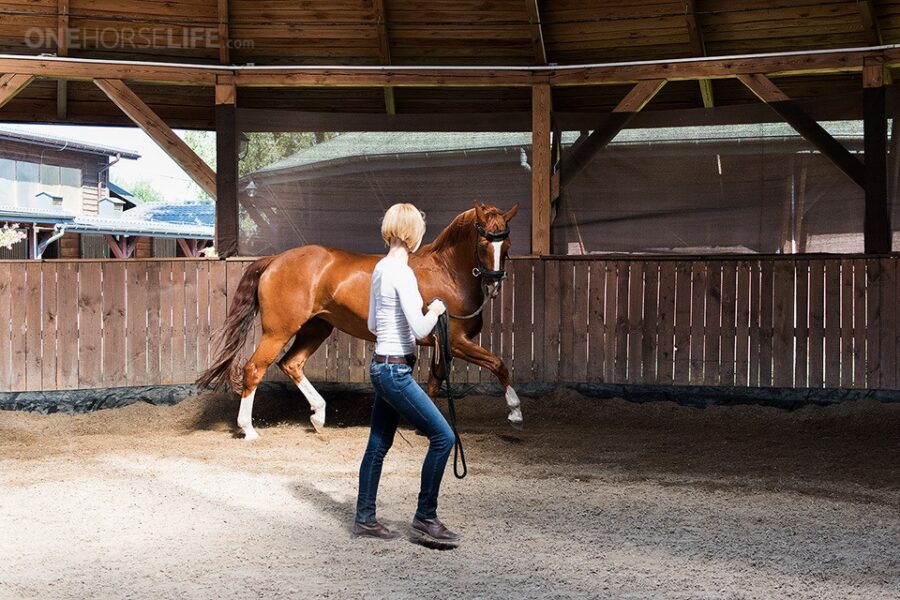
Piaffer is one of the simplest and most pleasurable experiences for you and your horse. To enjoy the beautiful piaffer with your horse, you do not need to do much, it is enough to support your horse in focusing on three very simple ingredients: Lightness of the forehand, rhythm and impulsion. Lightness of the forehand
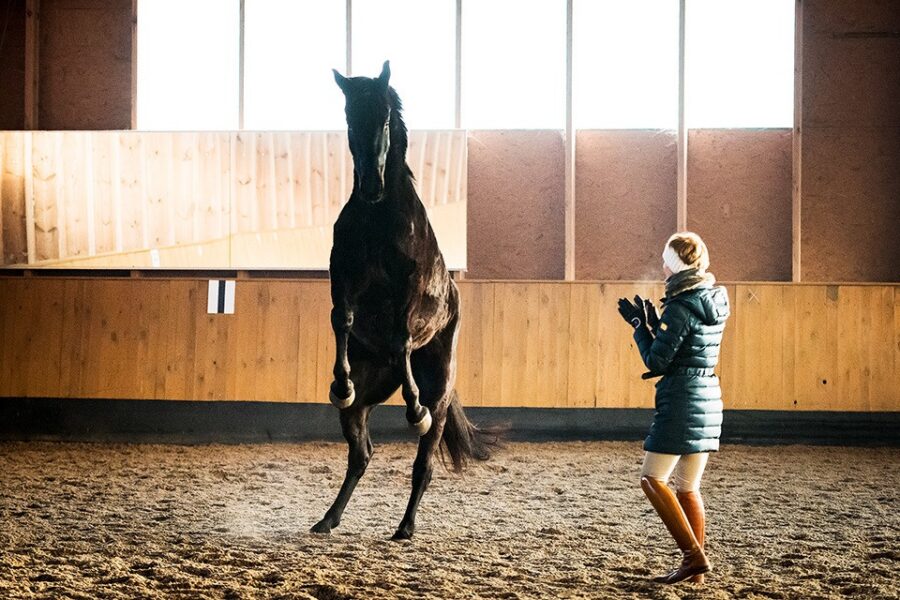
LIBERTY MEANS: free to think, free to feel, free to act. And all the above leads to FREE TO BE. FREE TO THINK means that you are not following the